IndiaHealth
AAIB finds hydraulic failure, pilot psychoactive substance use in Air India Phuket-Delhi incident
The preliminary investigation into the August 4 Air India Phuket-Delhi flight incident found that the aircraft's three hydraulic systems lost pressure within seconds at 36,000 feet, leading to autopilot disengagement, a stall warning and an altitude upset. The Aircraft Accident Investigation Bureau also recommended DGCA action against the pilot-in-command, who tested non-negative for psychoactive substance use.
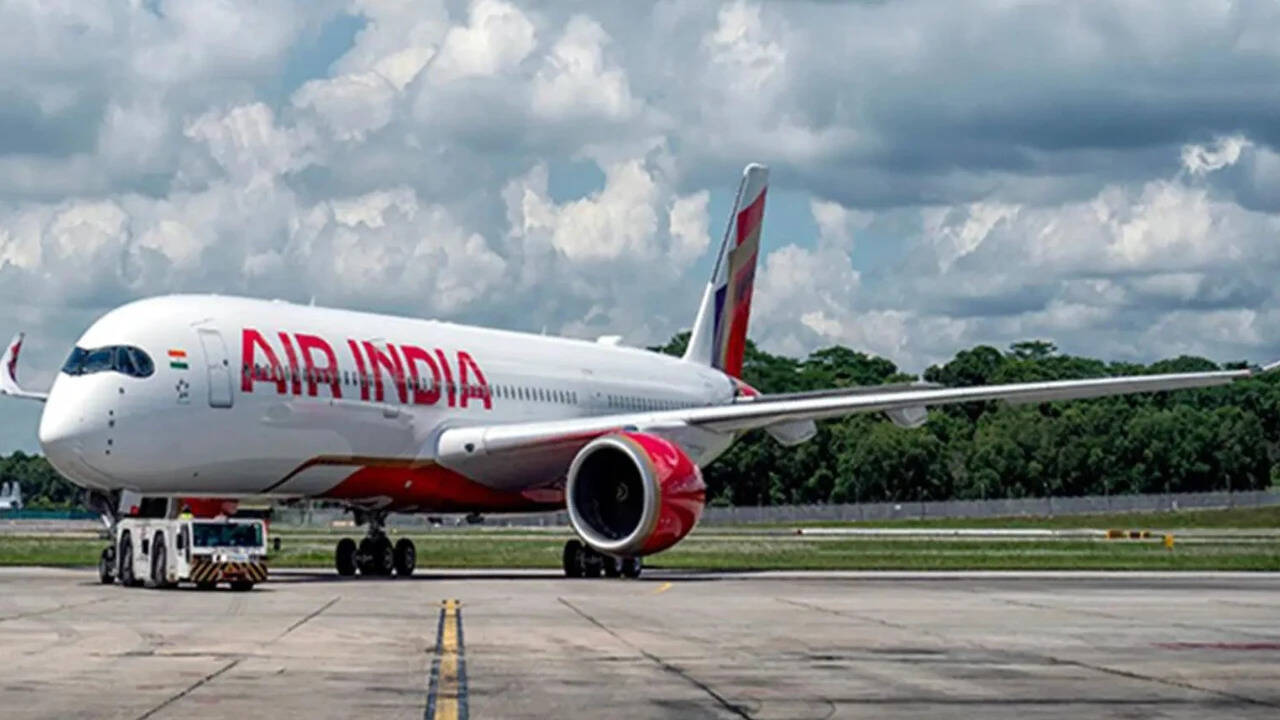
India's Aircraft Accident Investigation Bureau (AAIB) has released preliminary findings on the August 4 Air India Phuket-Delhi incident involving an Airbus A320. According to the report, the aircraft's three hydraulic systems — green, blue and yellow — lost pressure within seconds while the plane was cruising at 36,000 feet. This triggered an autopilot disengagement, a stall warning and an altitude upset.
The investigation also flagged a serious concern about the pilot-in-command, who tested non-negative for psychoactive substance use after the flight. The AAIB said, "The confirmation of use of psycho-active substance is a serious concern, and AAIB recommends appropriate actions by DGCA on priority." The interim safety recommendation asked the regulator to take appropriate actions as deemed fit. The report did not provide further details on the outcome of the flight or any injuries.
- India
- India news
- India news today
- Today news
- Google news
- Breaking news
- Air India flight incident
- pilot tested positive psychoactive substance
- Phuket to Delhi flight
- Aircraft Accident Investigation Bureau
- sudden altitude drop
From

IndiaHealth
AAIB finds hydraulic failure, pilot psychoactive substance use in Air India Phuket-Delhi incident
The preliminary investigation into the August 4 Air India Phuket-Delhi flight incident found that the aircraft's three hydraulic systems lost pressure within seconds at 36,000 feet, leading to autopilot disengagement, a stall warning and an altitude upset. The Aircraft Accident Investigation Bureau also recommended DGCA action against the pilot-in-command, who tested non-negative for psychoactive substance use.
India's Aircraft Accident Investigation Bureau (AAIB) has released preliminary findings on the August 4 Air India Phuket-Delhi incident involving an Airbus A320. According to the report, the aircraft's three hydraulic systems — green, blue and yellow — lost pressure within seconds while the plane was cruising at 36,000 feet. This triggered an autopilot disengagement, a stall warning and an altitude upset.
The investigation also flagged a serious concern about the pilot-in-command, who tested non-negative for psychoactive substance use after the flight. The AAIB said, "The confirmation of use of psycho-active substance is a serious concern, and AAIB recommends appropriate actions by DGCA on priority." The interim safety recommendation asked the regulator to take appropriate actions as deemed fit. The report did not provide further details on the outcome of the flight or any injuries.
- India
- India news
- India news today
- Today news
- Google news
- Breaking news
- Air India flight incident
- pilot tested positive psychoactive substance
- Phuket to Delhi flight
- Aircraft Accident Investigation Bureau
- sudden altitude drop
From