IndiaPolitics
India rejects UN committee remarks as 'politically motivated, highly malicious'
India has dismissed observations by the UN Committee on the Elimination of Racial Discrimination (UNCERD) as 'politically motivated' and 'highly malicious,' reaffirming its commitment to combating racial discrimination.
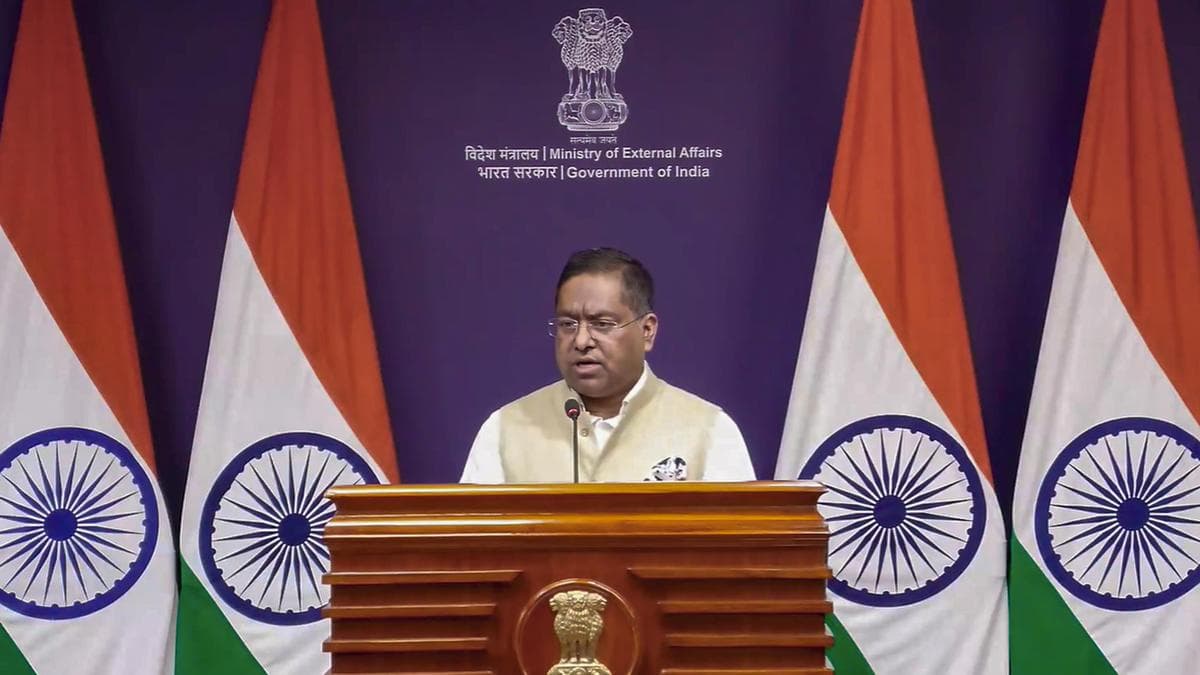
On August 26, 2026, India rejected observations by the United Nations Committee on the Elimination of Racial Discrimination (UNCERD), calling them 'politically motivated' and 'highly malicious.' The response came from Ministry of External Affairs (MEA) Spokesperson Randhir Jaiswal. UNCERD had raised concerns about reports of large-scale violations perpetrated by law enforcement officials against ethnic and ethno-religious groups, Indigenous and Tribal Peoples, including Scheduled Tribes, Scheduled Castes, particularly Dalits, and non-citizens. The committee also called for addressing hate speech and hate crimes in India, noting an increase in incidents against Bengali-speaking Muslims. India's response emphasized its commitment to combating racial discrimination.
- UN racial discrimination committee
- MEA on UN committee remarks
- India on ICERD remarks
- India-UN
From

IndiaPolitics
India rejects UN committee remarks as 'politically motivated, highly malicious'
India has dismissed observations by the UN Committee on the Elimination of Racial Discrimination (UNCERD) as 'politically motivated' and 'highly malicious,' reaffirming its commitment to combating racial discrimination.
On August 26, 2026, India rejected observations by the United Nations Committee on the Elimination of Racial Discrimination (UNCERD), calling them 'politically motivated' and 'highly malicious.' The response came from Ministry of External Affairs (MEA) Spokesperson Randhir Jaiswal. UNCERD had raised concerns about reports of large-scale violations perpetrated by law enforcement officials against ethnic and ethno-religious groups, Indigenous and Tribal Peoples, including Scheduled Tribes, Scheduled Castes, particularly Dalits, and non-citizens. The committee also called for addressing hate speech and hate crimes in India, noting an increase in incidents against Bengali-speaking Muslims. India's response emphasized its commitment to combating racial discrimination.
- UN racial discrimination committee
- MEA on UN committee remarks
- India on ICERD remarks
- India-UN
From