IndiaCourts
Supreme Court cuts practice requirement for entry-level judges to one year
The Supreme Court has reduced the required Bar practice for entry-level judicial service from three years to one, sparking debate over whether courtroom experience can be replaced by training and clerkship.
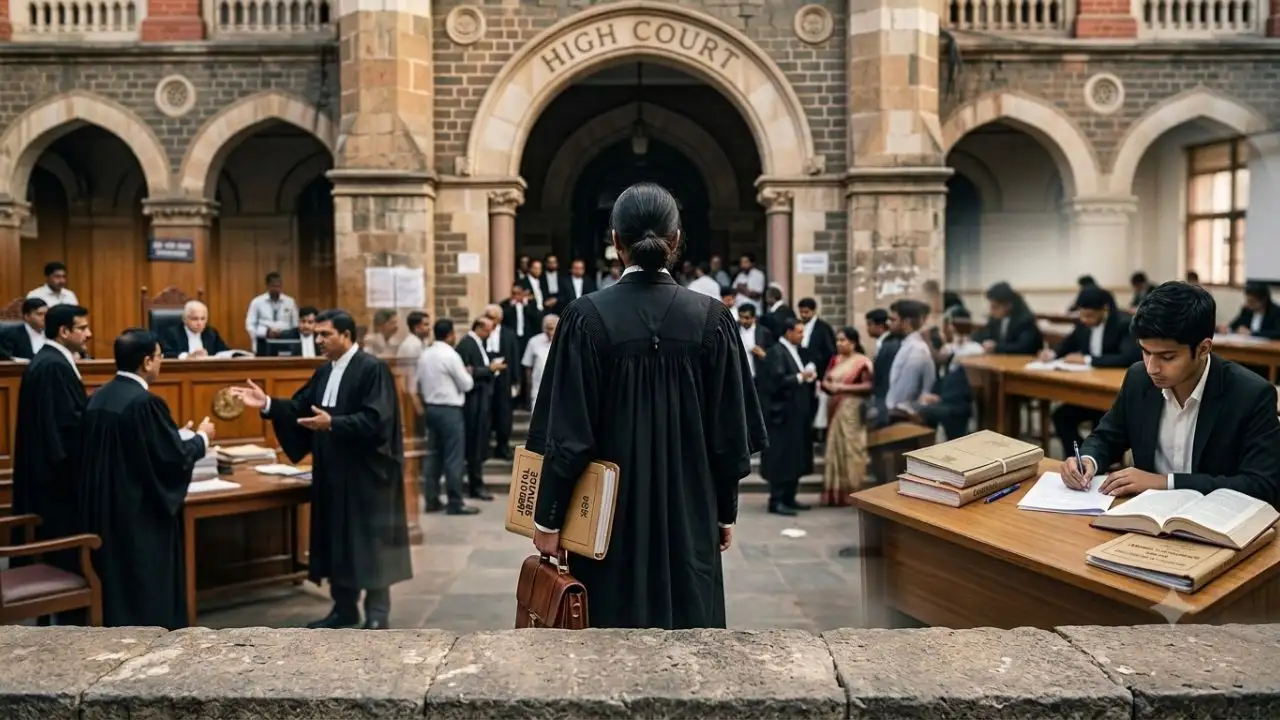
The Supreme Court has reduced the minimum practice requirement for entry-level judicial service from three years to one, triggering debate over whether courtroom experience can be adequately supplemented by judicial academy training and clerkship. Former Uttarakhand High Court Chief Justice Vipin Sanghi said three years of practice should remain mandatory, arguing that young lawyers need time to develop courtroom maturity and learn how to deal with lawyers and litigants. Supreme Court lawyer Vivek Narayan Sharma and Advocate Siddharth Sijoria, however, said the new framework could work if the training and clerkship are rigorous and properly implemented.
- Supreme Court judicial service requirements
- judicial officer preparation
- courtroom experience importance
- Supreme Court
- court
- bar practice requirement
- judicial training and clerkship
- judicial vacancies reform
- legal profession standards
- young lawyers courtroom maturity
From

IndiaCourts
Supreme Court cuts practice requirement for entry-level judges to one year
The Supreme Court has reduced the required Bar practice for entry-level judicial service from three years to one, sparking debate over whether courtroom experience can be replaced by training and clerkship.
The Supreme Court has reduced the minimum practice requirement for entry-level judicial service from three years to one, triggering debate over whether courtroom experience can be adequately supplemented by judicial academy training and clerkship. Former Uttarakhand High Court Chief Justice Vipin Sanghi said three years of practice should remain mandatory, arguing that young lawyers need time to develop courtroom maturity and learn how to deal with lawyers and litigants. Supreme Court lawyer Vivek Narayan Sharma and Advocate Siddharth Sijoria, however, said the new framework could work if the training and clerkship are rigorous and properly implemented.
- Supreme Court judicial service requirements
- judicial officer preparation
- courtroom experience importance
- Supreme Court
- court
- bar practice requirement
- judicial training and clerkship
- judicial vacancies reform
- legal profession standards
- young lawyers courtroom maturity
From