IndiaCourts
Supreme Court Requires Written Grounds of Arrest Even Under Special Laws Like UAPA and PMLA
The Supreme Court has ruled that a person must be given the grounds of arrest in writing at the time of arrest, in a language they understand. The bench held this applies to all cases, including those under special laws such as PMLA and UAPA, and that personal liberty cannot be invaded except in accordance with constitutional procedure, even for grave offences.
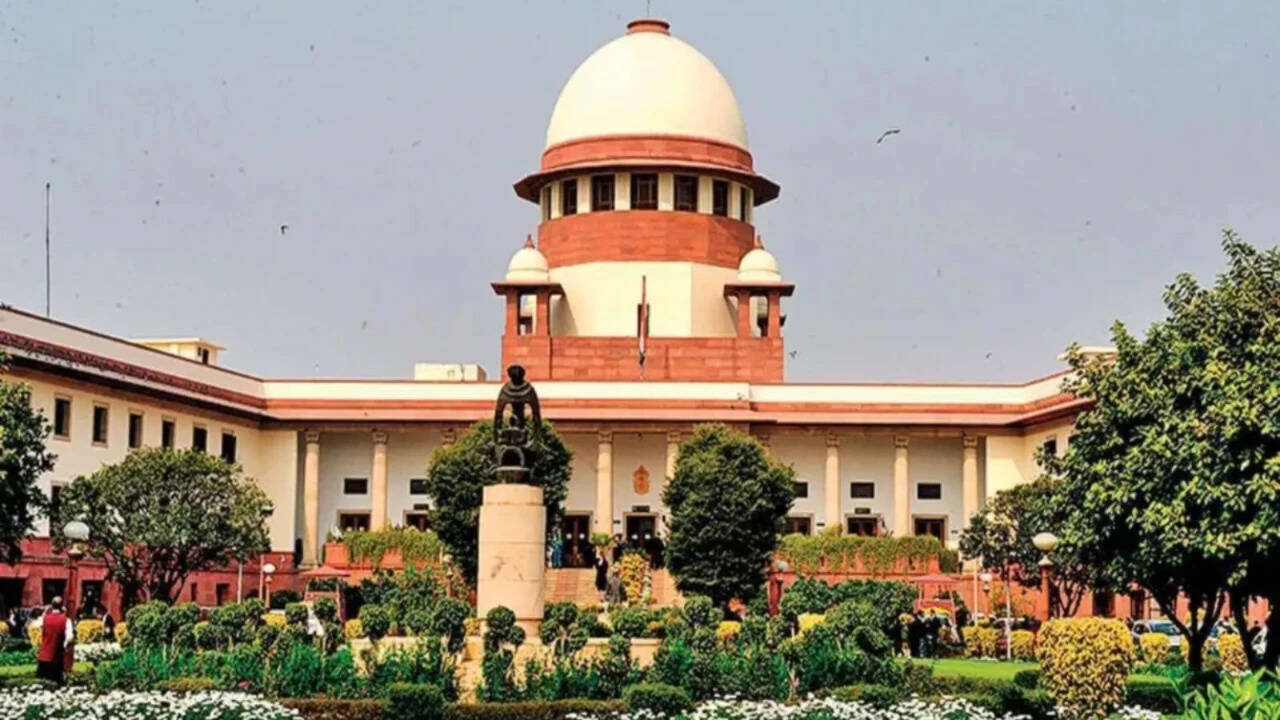
The Supreme Court on Monday held that fundamental rights cannot be interpreted in a restrictive manner and that a person's personal liberty cannot be invaded except in accordance with the procedure established by the Constitution, even if the person is accused of a grave offence and anti-social activities.
A bench of Justices Ujjal Bhuyan and Atul S Chandurkar elucidated Article 22 of the Constitution, which provides protection against arrest and detention in certain cases. The court said a person must be provided with the grounds of arrest by the probe agency at the time of arrest in writing and in a language understandable to the accused.
The court stated that this requirement applies in all cases, including under special laws such as the Prevention of Money Laundering Act (PMLA) and the Unlawful Activities (Prevention) Act (UAPA).
- India
- India news
- India news today
- Today news
- Google news
- Breaking news
- Supreme Court of India
- UAPA
- Article 22 Constitution
- fundamental rights
- personal liberty
From

IndiaCourts
Supreme Court Requires Written Grounds of Arrest Even Under Special Laws Like UAPA and PMLA
The Supreme Court has ruled that a person must be given the grounds of arrest in writing at the time of arrest, in a language they understand. The bench held this applies to all cases, including those under special laws such as PMLA and UAPA, and that personal liberty cannot be invaded except in accordance with constitutional procedure, even for grave offences.
The Supreme Court on Monday held that fundamental rights cannot be interpreted in a restrictive manner and that a person's personal liberty cannot be invaded except in accordance with the procedure established by the Constitution, even if the person is accused of a grave offence and anti-social activities.
A bench of Justices Ujjal Bhuyan and Atul S Chandurkar elucidated Article 22 of the Constitution, which provides protection against arrest and detention in certain cases. The court said a person must be provided with the grounds of arrest by the probe agency at the time of arrest in writing and in a language understandable to the accused.
The court stated that this requirement applies in all cases, including under special laws such as the Prevention of Money Laundering Act (PMLA) and the Unlawful Activities (Prevention) Act (UAPA).
- India
- India news
- India news today
- Today news
- Google news
- Breaking news
- Supreme Court of India
- UAPA
- Article 22 Constitution
- fundamental rights
- personal liberty
From