IndiaPolitics
Trump signs Russia sanctions law with possible impact on India's crude imports
US President Donald Trump signed the Lindsey O Graham Sanctioning Russia and Iran Act of 2026, giving his administration powers to impose sanctions and tariffs of up to 100% on goods from countries that continue to buy Russian oil and gas. The law does not automatically impose tariffs on any specific country, but it is significant for India, a top buyer of Russian crude.
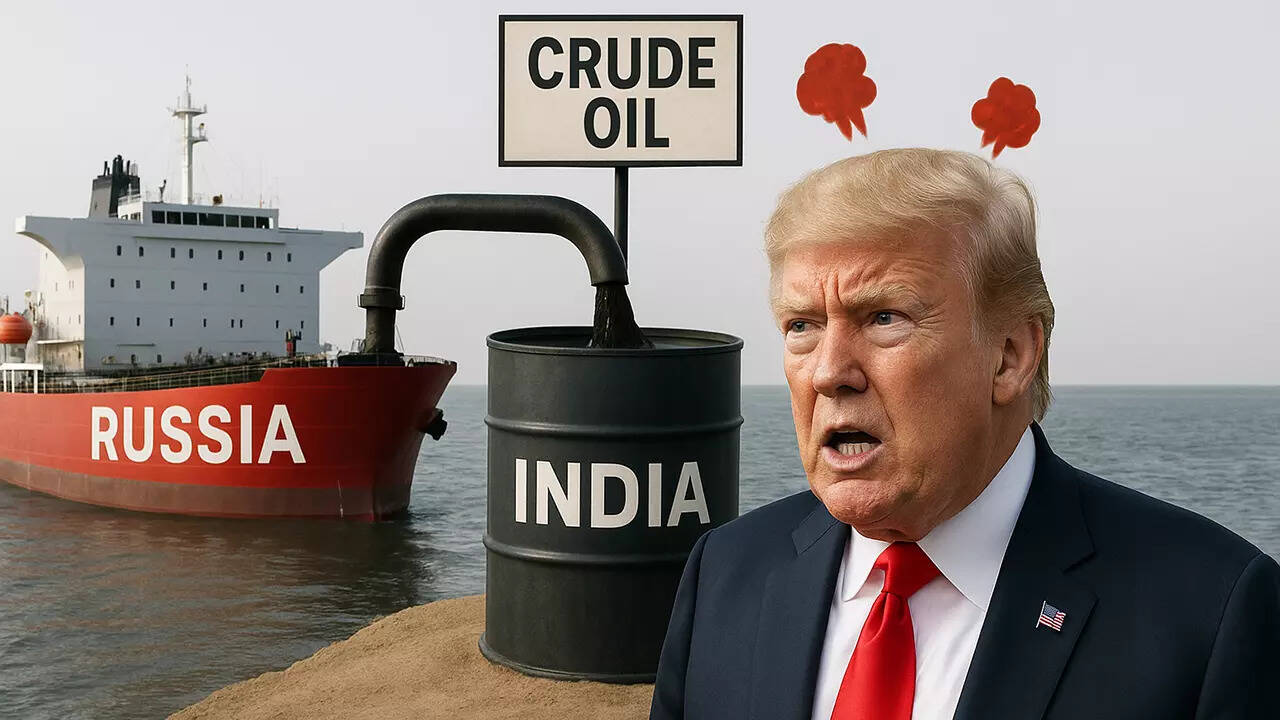
US President Donald Trump signed the Lindsey O Graham Sanctioning Russia and Iran Act of 2026 into law on Friday, giving his administration additional powers to impose sanctions and levy tariffs of up to 100% on goods from countries that continue to buy Russian oil and gas. The legislation does not automatically impose tariffs on any specific country. It is significant for India, which has been among the top buyers of Russian crude since the Ukraine war. India made record purchases from Russia, with Russia's share reaching 55% in July, according to the article. China, Turkiye and Egypt are among the other largest buyers of Russian crude. China criticised the law, saying it has "consistently opposed" unilateral sanctions and so-called secondary sanctions.
- Indian crude imports
- US sanctions on Russia
- Trump signs Russia bill
- Lindsey O Graham Sanctioning Russia and Iran Act of 2026
- Russia crude oil exports to India
- India's oil import bill
- alternative oil suppliers for India
From

IndiaPolitics
Trump signs Russia sanctions law with possible impact on India's crude imports
US President Donald Trump signed the Lindsey O Graham Sanctioning Russia and Iran Act of 2026, giving his administration powers to impose sanctions and tariffs of up to 100% on goods from countries that continue to buy Russian oil and gas. The law does not automatically impose tariffs on any specific country, but it is significant for India, a top buyer of Russian crude.
US President Donald Trump signed the Lindsey O Graham Sanctioning Russia and Iran Act of 2026 into law on Friday, giving his administration additional powers to impose sanctions and levy tariffs of up to 100% on goods from countries that continue to buy Russian oil and gas. The legislation does not automatically impose tariffs on any specific country. It is significant for India, which has been among the top buyers of Russian crude since the Ukraine war. India made record purchases from Russia, with Russia's share reaching 55% in July, according to the article. China, Turkiye and Egypt are among the other largest buyers of Russian crude. China criticised the law, saying it has "consistently opposed" unilateral sanctions and so-called secondary sanctions.
- Indian crude imports
- US sanctions on Russia
- Trump signs Russia bill
- Lindsey O Graham Sanctioning Russia and Iran Act of 2026
- Russia crude oil exports to India
- India's oil import bill
- alternative oil suppliers for India
From